Restoring comfort, confidence and function through carefully planned treatment for damaged, worn or missing teeth.
At Dentique Dentistry, we provide specialist prosthodontic care for patients with complex restorative needs, including difficult denture problems, extensively damaged teeth, tooth wear and multiple missing teeth.
Led by Specialist Prosthodontist David Atrill, treatment is carefully planned around your individual circumstances. David brings 35 years of experience, predominantly in managing and treating complex restorative problems, particularly those related to dentures, which remain his clinical passion.

Whether you are seeking a more comfortable denture, exploring ways to replace missing teeth or require a coordinated plan to rebuild your smile, we will take the time to understand what is important to you.
Looking to see one of our team? Book an appointment today using our online booking portal.
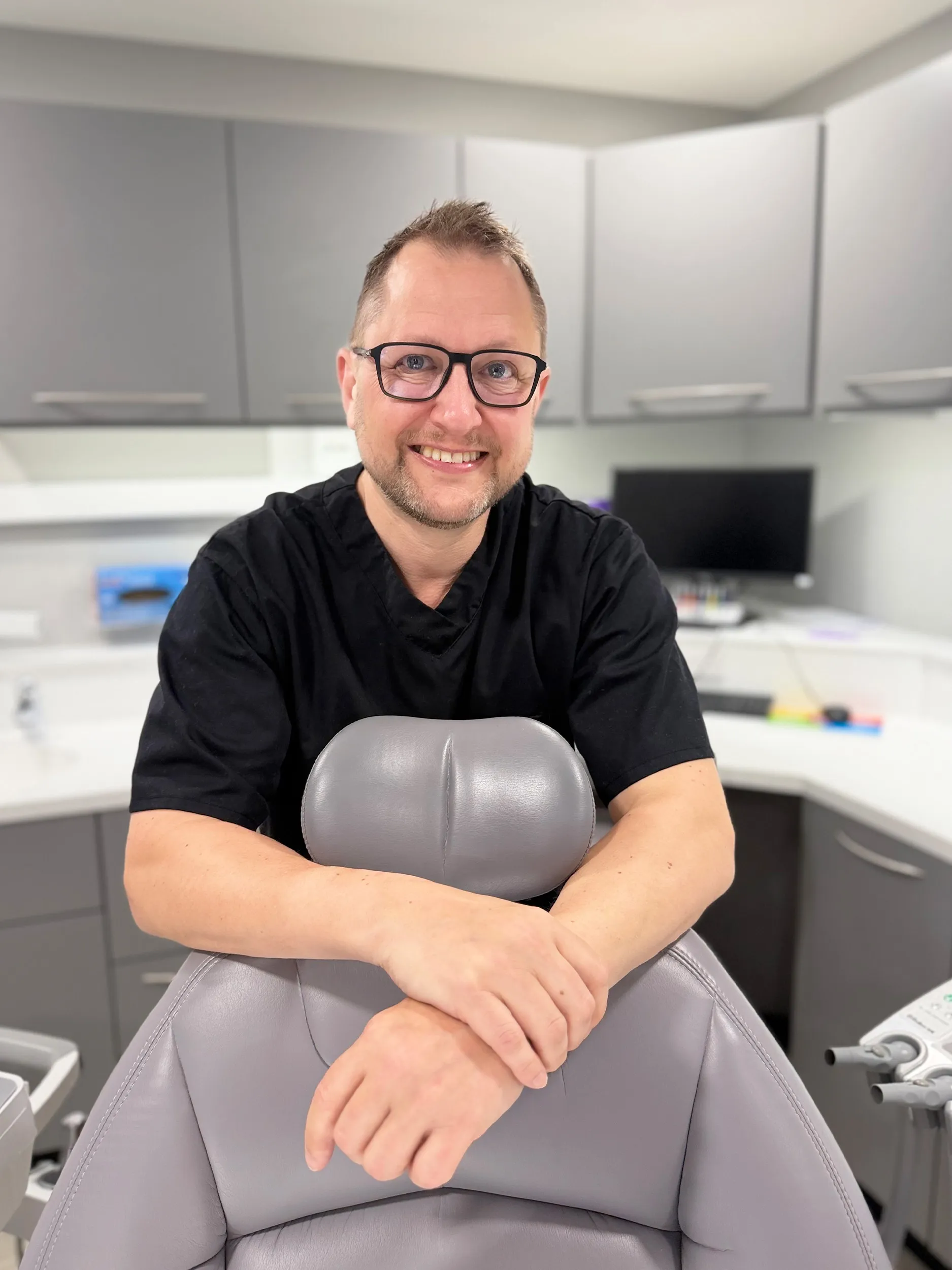
BDS (Manchester 1991)
PhD (Manchester 1997)
FDS RCS Edinburgh (1998)
FDC RCS (Rest. Dent) 2003
Fellow of the Higher Education Academy
David is a highly experienced Specialist in Restorative Dentistry and Fixed and Removable Prosthodontics, registered with the General Dental Council.
While many restorative treatments can be provided by a general dentist, a specialist prosthodontist has additional training and experience in managing more complex cases. This may be particularly valuable when several teeth are involved, previous treatment has been unsuccessful or there are multiple factors affecting the way your teeth meet and function.
Our aim is not simply to replace teeth. It is to create a solution that feels comfortable, looks natural and supports your long-term oral health.


Specialist prosthodontic care may be helpful if you:
Every patient is different. Your consultation gives us the opportunity to explore the available options and determine whether specialist treatment would be beneficial.
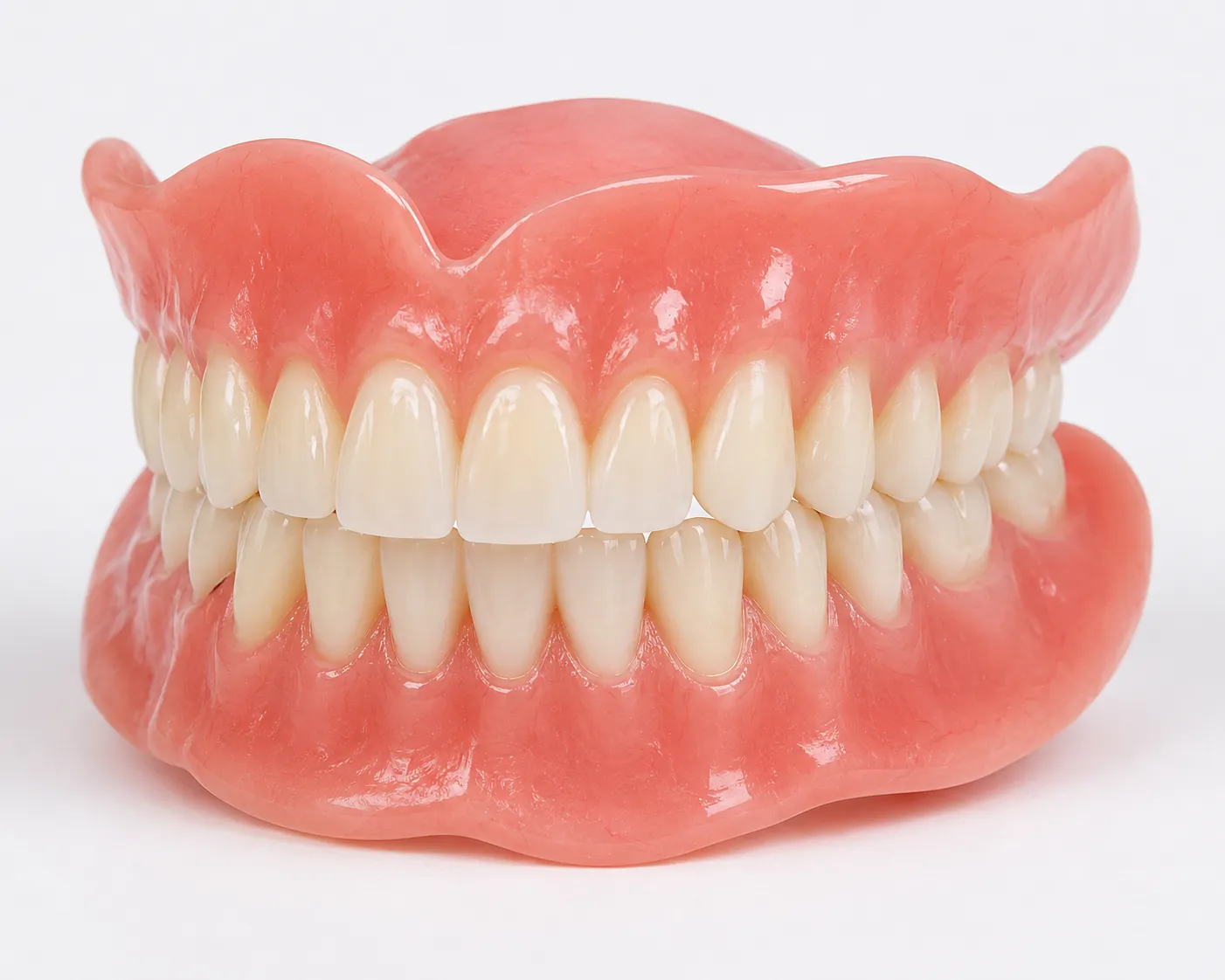
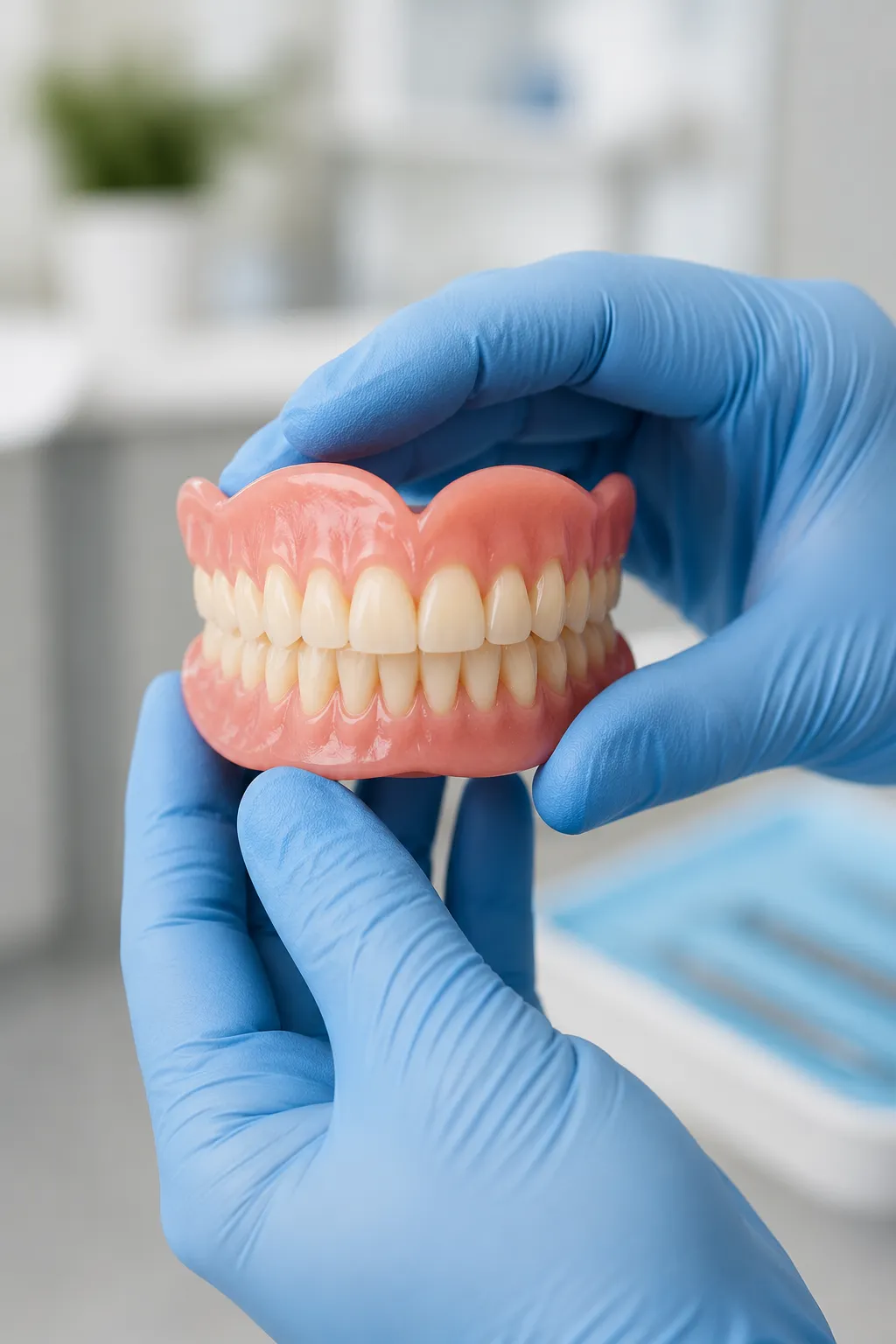
Dentures can make an enormous difference to your ability to eat, speak and smile, but they must be carefully designed to work comfortably within your mouth.
David has a particular clinical interest in dentures and extensive experience helping patients whose needs may be more challenging. This includes people who have struggled with loose or uncomfortable dentures, have significant bone or gum changes, experience difficulties with their bite or have been unable to achieve a satisfactory result with previous treatment.

Missing teeth can affect much more than appearance. They may make it harder to chew certain foods, alter your speech and place additional strain on the remaining teeth.
Several treatment options may be available, and no single solution is right for everyone. David will assess the health and position of your remaining teeth, your gums, jawbone, bite and wider dental history before discussing the most appropriate choices with you.


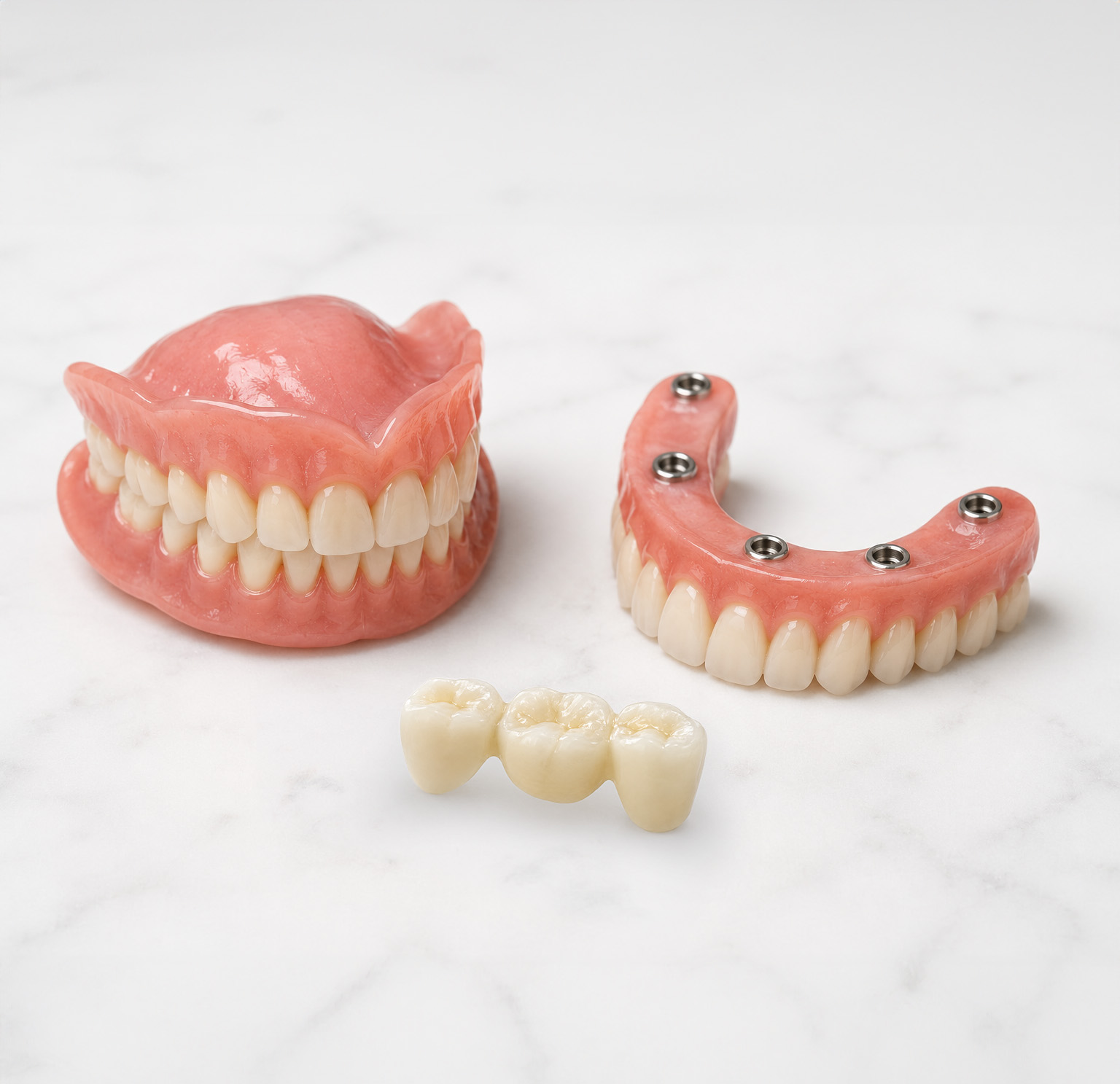
A removable option that can replace a single tooth, several teeth or a complete set of teeth. Dentures can be particularly valuable when several teeth are missing or a fixed restoration is unsuitable.
A dental bridge is a fixed restoration that fills a space by supporting one or more replacement teeth from neighbouring teeth or dental implants. Different bridge designs are available, and the condition of the supporting teeth must be carefully considered.
Dental implants can support a crown, bridge or certain types of denture. Where appropriate, they can provide additional stability and allow missing teeth to be replaced without relying entirely on adjacent natural teeth.
We will clearly explain the advantages, limitations and maintenance requirements of each suitable option so that you can make an informed decision.
Teeth can become worn through grinding, clenching, erosion from acids or a combination of different factors. Over time, this may change their shape, sensitivity and appearance, as well as the way your teeth meet.
Complex tooth wear often requires more than simply repairing one tooth at a time. David will assess the underlying causes, the amount of tooth tissue that has been lost and how the teeth work together.
Treatment may involve a carefully coordinated combination of: